Knowledge transfer.
Technical training built around your unit, your contaminants and your operating envelope.
Application courses
Multi-day courses scoped around your unit, your contaminants, your operating issues.
Jump to sectionApplication foundations
1–2 day modules on adsorption fundamentals, contaminant behaviour and technology selection.
Jump to sectionOn-site workshops
Diagnostic working sessions at your plant or engineering office.
Jump to sectionApplication courses
Multi-day technical courses scoped around your unit and operating issues. Course material — slides, exercises, datasets — is built from real situations the audience will recognise, not stock examples.
Operations engineers
The people running the unit day to day — sizing, monitoring and reacting to upsets.
Process engineers
Owners of the process design and the operating envelope it has to hold.
Technology owners
Teams accountable for technology selection and unit performance across sites.
Application foundations
One- to two-day modules covering the fundamentals — scaffolding for engineers stepping into a new technology area, or onboarding into a purification-heavy role.
Adsorption fundamentals
Equilibrium and dynamics, isotherms and working capacity, TSA and PSA cycle design.
Contaminant behaviour
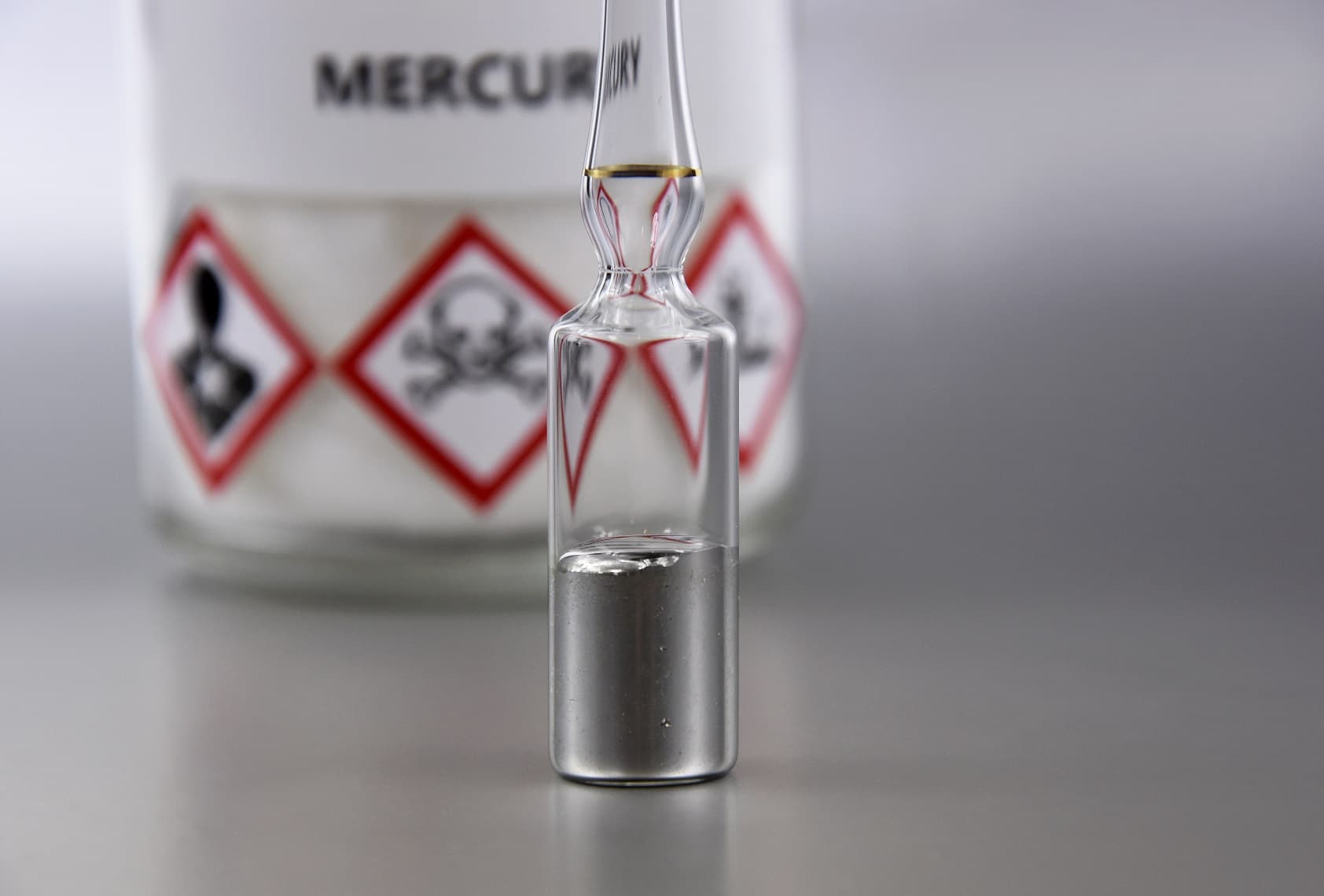
How mercury, sulfur, chlorides, water and CO₂ load onto a bed, break through, and drive deactivation.
Bed sizing & breakthrough
Mass-transfer zone behaviour, breakthrough curves, lifetime prediction, and scale-up from lab data.
Technology selection
When adsorption, catalysis, membranes or filtration wins a given separation duty — and how to choose objectively.
Diagnostic sessions at your plant.
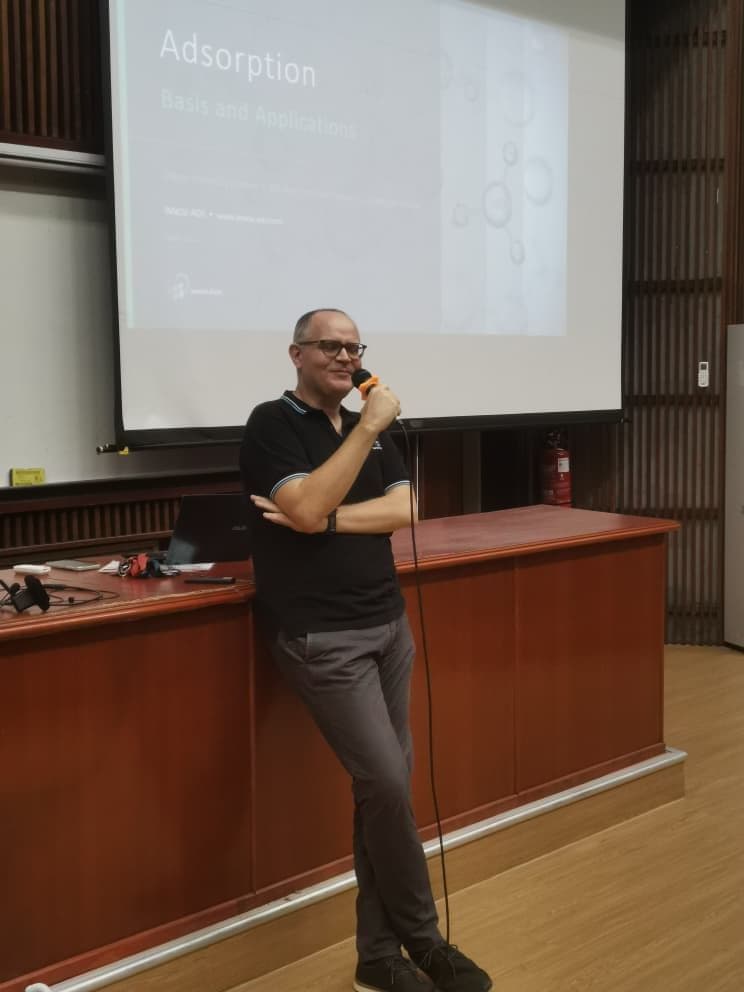
Diagnostic working sessions at the client's plant or engineering office. We bring the questions, the data-review framework and the analytical lens; the client brings the operating data and the operators. Outputs: a shared diagnosis, a prioritised action list, and a team upskilled to own the next iteration.
Why it matters
Training that survives the walk back to the unit.
Generic curricula age out the moment an engineer returns to the control room. Course material built from your operating history, your contaminants and your unit's quirks is what sticks — and what changes how the team decides next quarter.
Train a team around a real unit.
Tell us the audience, the unit and the questions you want them to be able to answer. We'll build the course.